
Progesterone Testing

Progesterone Testing For Your Pet | Horsham Veterinary Hospital

Progesterone Testing

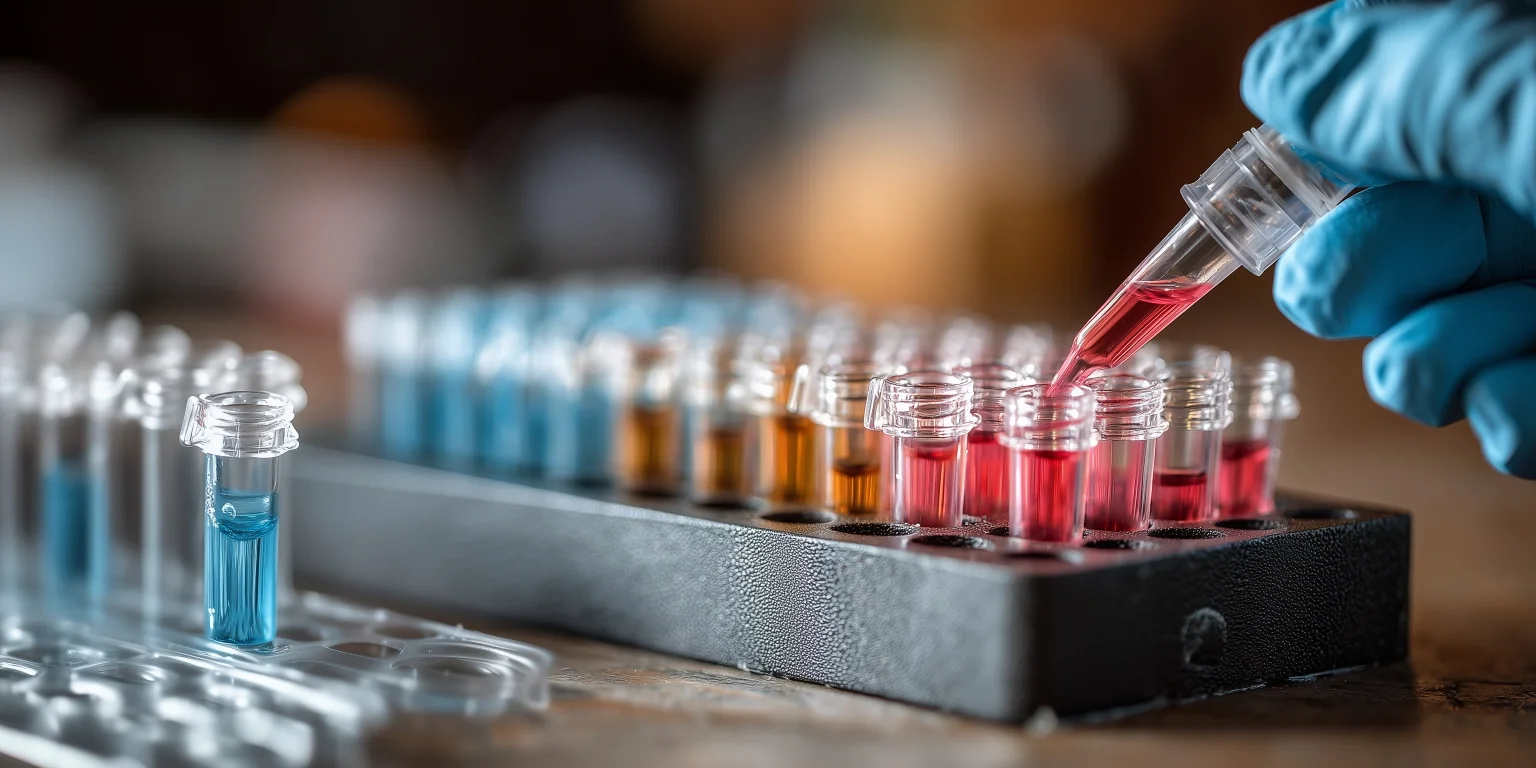
Timing is everything when planning a litter. Horsham Veterinary Hospital offers in-house Progesterone Testing to scientifically track your dog’s heat cycle. This helps us pinpoint the exact window for ovulation, maximizing your chances of a successful pregnancy.

About this Service...

Enquire about Progesterone Testing

Progesterone Testing FAQs

Just a few common questions about Progesterone Testing. If there is something else you need to know just ask in the Contact Us form below!

  • When should I book my dog’s first test?

    We generally recommend booking the first test on Day 5, 6, or 7 of her heat cycle. Day 1 is the first day you notice blood or vulval swelling. Starting early allows us to get a “baseline” level so we can clearly see when the progesterone starts to rise.

  • Does my dog need to be fasted before the blood test?

    Yes, ideally. We recommend you do not feed your dog for 4 to 6 hours before the appointment. Fatty blood (from a recent meal) can sometimes interfere with the sensitive equipment used to measure hormone levels, potentially leading to inaccurate results. Water is fine!

  • How many tests will I need?

    This varies from dog to dog. Some girls ovulate quickly and may only need 2 tests, while others have a “slow rise” and may need 4 or 5 tests over a week or more. On average, most breeders can expect to visit us 3 to 4 times for a complete picture.

  • My dog is bleeding heavily. Does that mean she is ready?

    Not necessarily. External signs like bleeding color or vulval softness are helpful indicators, but they are not 100% reliable. Some dogs bleed heavily right through ovulation, while others stop completely. Progesterone testing looks at what is happening internally, which is the only way to be sure.

Related Pet Services in Horsham

Pet Services Near You

  • Ionised Calcium

    This is a specific, high-value test often used in critical emergencies (like "Milk Fever" in nursing mothers) or complex cancer cases. The blog explains why the "standard" calcium test isn't always enough. Why Would We Test Ionised Calcium at Our Vet Clinic In the veterinary world, calcium does much more than build skeletons. It is…

  • Fluoroscopy

    We often talk about X-rays as "snapshots" of your pet's health. They are perfect for freezing a moment in time to look at a broken bone or an enlarged heart. But life doesn't stand still. Sometimes, the problem isn't the structure of the organ; it's how the organ moves. To diagnose these dynamic problems, utilizes Fluoroscopy,…